We live in a world where there are constant stresses, including the ongoing COVID-19 pandemic, political instability, and economic insecurity. All of these can take a toll on your mental health and well-being.
Social isolation: Many people are experiencing social isolation due to lockdowns, quarantines, and remote work. This can lead to feelings of loneliness, depression, and anxiety.
Increased awareness: There is now more awareness and recognition of the importance of mental health than ever before. This is a positive development, but it also means that you are more likely to be held accountable for your mental health and well-being.
Physical health: Your mental health is closely linked to your physical health. Poor mental health can lead to a variety of physical health problems, including heart disease, diabetes, and obesity.
Relationships: Good mental health is essential for building and maintaining healthy relationships with others. It can help you communicate better, resolve conflicts, and build stronger connections with friends, family, and romantic partners.
Our mental health has become increasinly more and more important, this is because the world we live in, is becoming increasingly complex and stressful. There are a multitude of challenges and stresses that we face on a daily basis, such as work-related stress, financial pressures, social and political issues, and health concerns. All of these can take a toll on our mental health, causing us to feel anxious, depressed, and overwhelmed.
Secondly, social isolation has become a significant issue, particularly during the COVID-19 pandemic. People have had to adjust to a new way of living that involves less social interaction and physical contact, which can have a negative impact on mental health. Studies have shown that loneliness and social isolation can lead to mental health problems, including anxiety, depression, and even suicidal ideation.
There is now a greater awareness and understanding of mental health issues than ever before. This is due in part to the work of mental health advocates, healthcare professionals, and mental health organizations that have been working to raise awareness and reduce the stigma associated with mental health. This has led to more people seeking help and receiving treatment for mental health issues.
Good mental health is essential for physical health. Mental health issues can lead to physical health problems, such as high blood pressure, heart disease, and diabetes. Therefore, it is important to take care of your mental health to maintain good physical health.
Taking into consideration all of the above and managing your mental health you may start to feel and see numerous positive effects in your life, some of them are listed below……
Increased resilience: Prioritizing your mental health can help you develop the resilience and coping skills necessary to overcome challenges and adapt to changes.
Improved productivity: When you are in a good mental state, you are better equipped to focus and be productive, which can help you achieve your goals and meet your responsibilities.
Enhanced creativity: A positive mental state can stimulate creativity, innovation, and problem-solving abilities, allowing you to approach challenges in new and unique ways.
Better physical health: As I mentioned earlier, good mental health is closely linked to physical health. By prioritizing your mental health, you may be able to reduce your risk of developing certain physical health problems.
Greater life satisfaction: Good mental health can contribute to a greater sense of well-being, happiness, and fulfillment, allowing you to enjoy your life to the fullest.
In addition, there are many ways to prioritize your mental health. Some strategies may include seeking professional help from a therapist or counselor, practicing self-care activities such as meditation, exercise, or spending time in nature, developing a support system of family and friends, and avoiding or reducing exposure to stressors such as negative news or social media.
In conclusion, your mental health is extremely important in today’s world, and taking care of it should be a top priority. By prioritizing your mental health, you can build resilience, improve productivity and creativity, maintain physical health, and increase your overall life satisfaction. So, don’t hesitate to seek support and take action to care for your mental health.
Exercises and activities which improve your Mental health……
Meditation: Meditation has been shown to be an effective way to reduce stress and anxiety, improve focus and attention, and promote feelings of well-being.

Yoga: Yoga combines physical postures, breathing exercises, and meditation to promote relaxation and reduce stress.

Aerobic exercise: Aerobic exercise, such as running, swimming, or cycling, can release endorphins, which are natural chemicals that can boost mood and reduce stress.

Strength training: Strength training has been shown to help reduce symptoms of depression and anxiety, and can boost self-esteem and confidence.
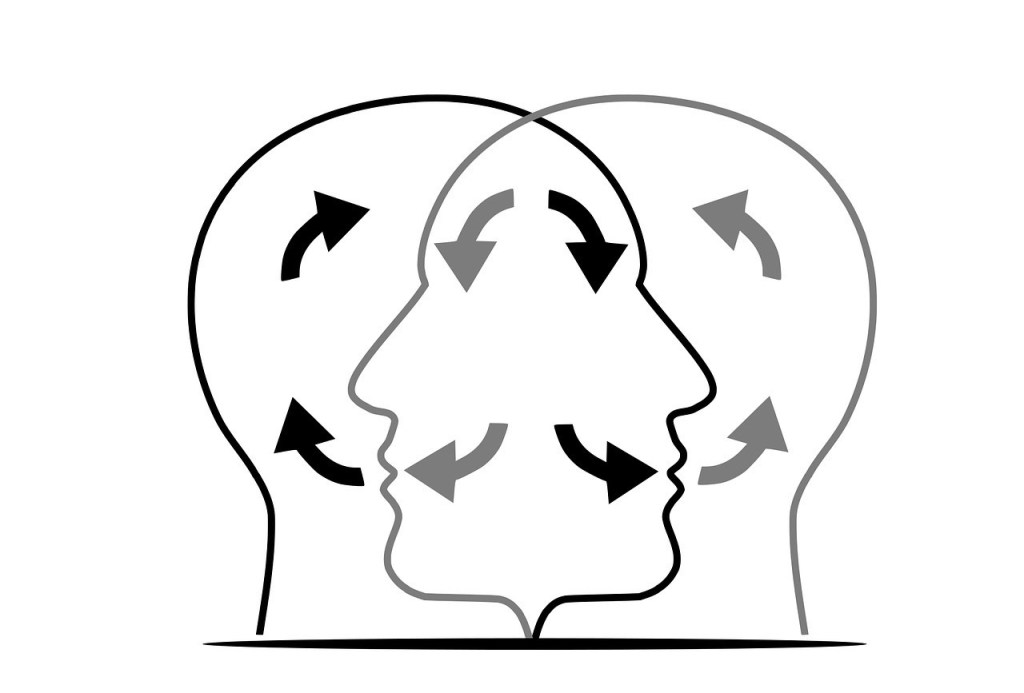
Mindfulness: Practicing mindfulness involves being present in the moment, observing your thoughts and emotions without judgment, and staying focused on the present. This can help reduce stress and anxiety and promote feelings of calmness and well-being.
Creative activities: Engaging in creative activities such as art, music, or writing can help reduce stress and anxiety, improve mood, and promote self-expression.

Social connection: Spending time with friends and loved ones can promote feelings of connection, support, and belonging, which can have a positive impact on mental health.
Lets talk about Mindfulness and how to use it in your everyday life..
Mindfulness is a practice of intentionally paying attention to the present moment, without judgment. It involves observing your thoughts, feelings, and sensations without becoming too caught up in them. Mindfulness can help you reduce stress, increase self-awareness, and improve your overall well-being.
Start your day with a mindful practice: Before you begin your day, take a few minutes to sit quietly and focus on your breath. You can use an app like Headspace or Calm to guide you through a meditation or simply sit in silence and focus on your breathing.
Be present in the moment: When you are going about your day, try to be fully present in each moment. Pay attention to your surroundings and use your senses to take in your environment.
Practice mindful eating: When you are eating, take the time to savor each bite. Pay attention to the texture, flavor, and aroma of your food.
Take breaks throughout the day: When you are feeling stressed or overwhelmed, take a few minutes to step away from your work and focus on your breath. This can help you recenter and refocus.
Practice gratitude: Take a few minutes each day to reflect on the things in your life that you are grateful for. This can help shift your focus from negative thoughts to positive ones.
To induce yourself into the correct state of mind for mindfulness, here are some tips:
Find a quiet space: Look for a space where you can sit or lie down without any distractions.
Relax your body: Take a few deep breaths and focus on relaxing your muscles. You can start by tensing and then releasing each muscle group.
Focus on your breath: Take slow, deep breaths and focus on the sensation of the air moving in and out of your body.
Acknowledge your thoughts: As you focus on your breath, thoughts will inevitably arise. Instead of getting caught up in them, simply acknowledge them and let them pass.
Be kind to yourself: Remember that mindfulness is a practice, and it takes time to develop. Be patient with yourself and focus on progress, not perfection.
NOTE: With these tips, you can incorporate mindfulness into your everyday life and induce yourself into the correct state of mind.
Lets touch on meditation and why its good to use in your everyday life and how its good for your mental health….
Meditation is a mental practice that involves training your attention and awareness to achieve a calm and focused state of mind. It involves various techniques such as breathing exercises, visualization, and mindfulness practices, and has been shown to have numerous benefits for mental health.
Here are some ways meditation can benefit your mental health..It can help…
Reduces stress and anxiety: Meditation can help reduce stress and anxiety by slowing down your breathing and heart rate, and promoting relaxation. It can also help you become more aware of your thoughts and emotions, and develop a more positive outlook on life.
Improves focus and concentration: Meditation can help improve your ability to focus and concentrate by training your attention and reducing distractions. This can be particularly beneficial for those who have difficulty with attention deficit disorder (ADD) or attention deficit hyperactivity disorder (ADHD).
Enhance self-awareness: Through meditation, you can develop a greater understanding of your thoughts, emotions, and behaviors, and learn to be more mindful of your experiences. This can help you develop a more positive self-image, and improve your relationships with others.
Increases resilience: Meditation can help build resilience and coping skills by helping you develop a more positive outlook on life, and better manage stress and anxiety. It can also help you develop a greater sense of inner peace and calm, even in challenging situations.
Improves sleep: Meditation can help improve the quality of your sleep by reducing stress and promoting relaxation. It can also help regulate your sleep-wake cycle and reduce symptoms of insomnia.
Overall, meditation is a powerful tool for promoting mental health and well-being. It can be practiced anywhere, at any time, and doesn’t require any special equipment or training. By incorporating meditation into your daily routine, you can experience the many benefits it offers for your mental health and overall quality of life.

Discover more from Mental understanding
Subscribe to get the latest posts sent to your email.

 Mental understanding