Children with disabilities can benefit from playing video games as a great way to relax and unwind. As a result of technology, many children and adolescents have improved their cognitive abilities, improved their language skills, and reduced their hyperactivity and other symptoms. Parenting children with disabilities can also be made easier with technology by monitoring their behaviour or encouraging them to complete tasks they would otherwise avoid.
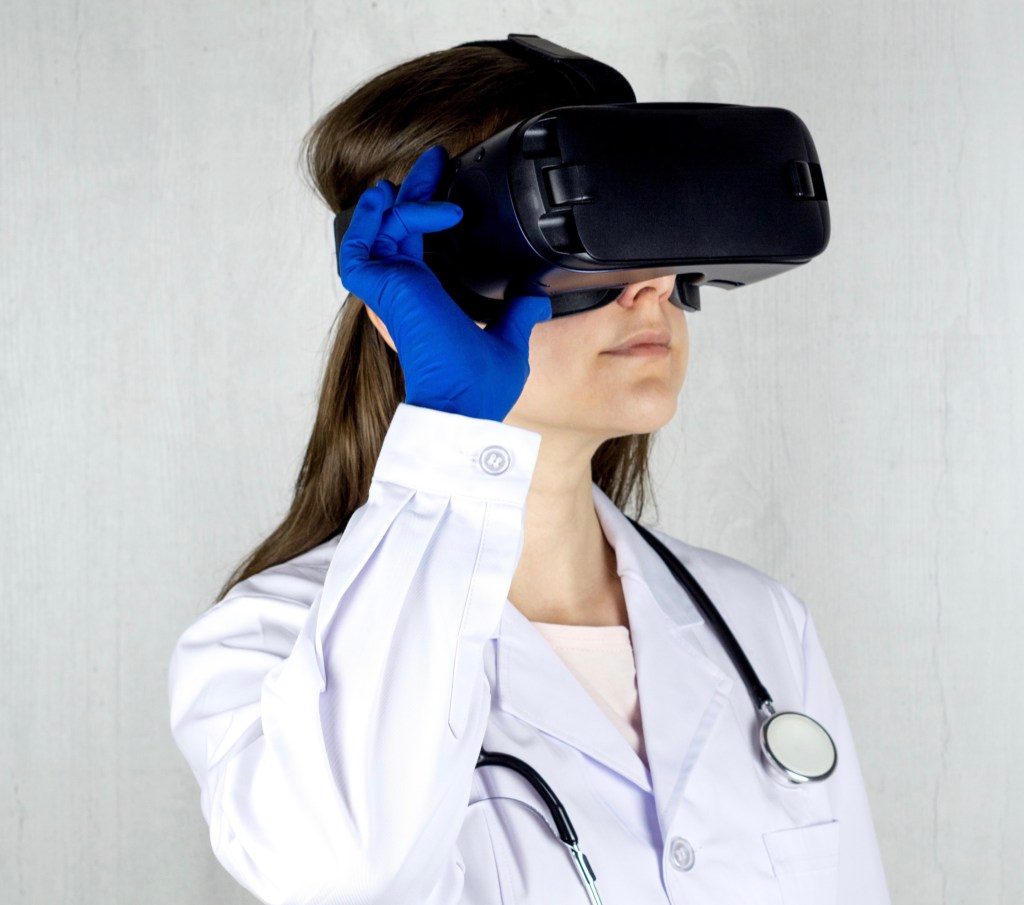
How Technology helps: Technology as a Treatment tool
Technology can be used in several ways to help children and adolescents manage their symptoms effectively. Individuals who have difficulty regulating themselves, organizing themselves, and planning may find the use of technology beneficial. Technology can be used as an educational tool to help children with disabilities improve their academic competence or learn new life skills that they may not otherwise pick up on their own. Parents can also use technology to monitor the behaviour of children during homework time and other critical times when distractions might occur.
An individual with disabilities can take advantage of technology to manage their symptoms. While it may complement traditional treatment options such as medication or psychotherapy, it should never replace them. Instead, it should serve as an additional treatment option. Research shows that technology can increase motivation in children, and it can also help parents monitor their children’s behaviour, allowing them to encourage good behaviour or provide better treatment options.
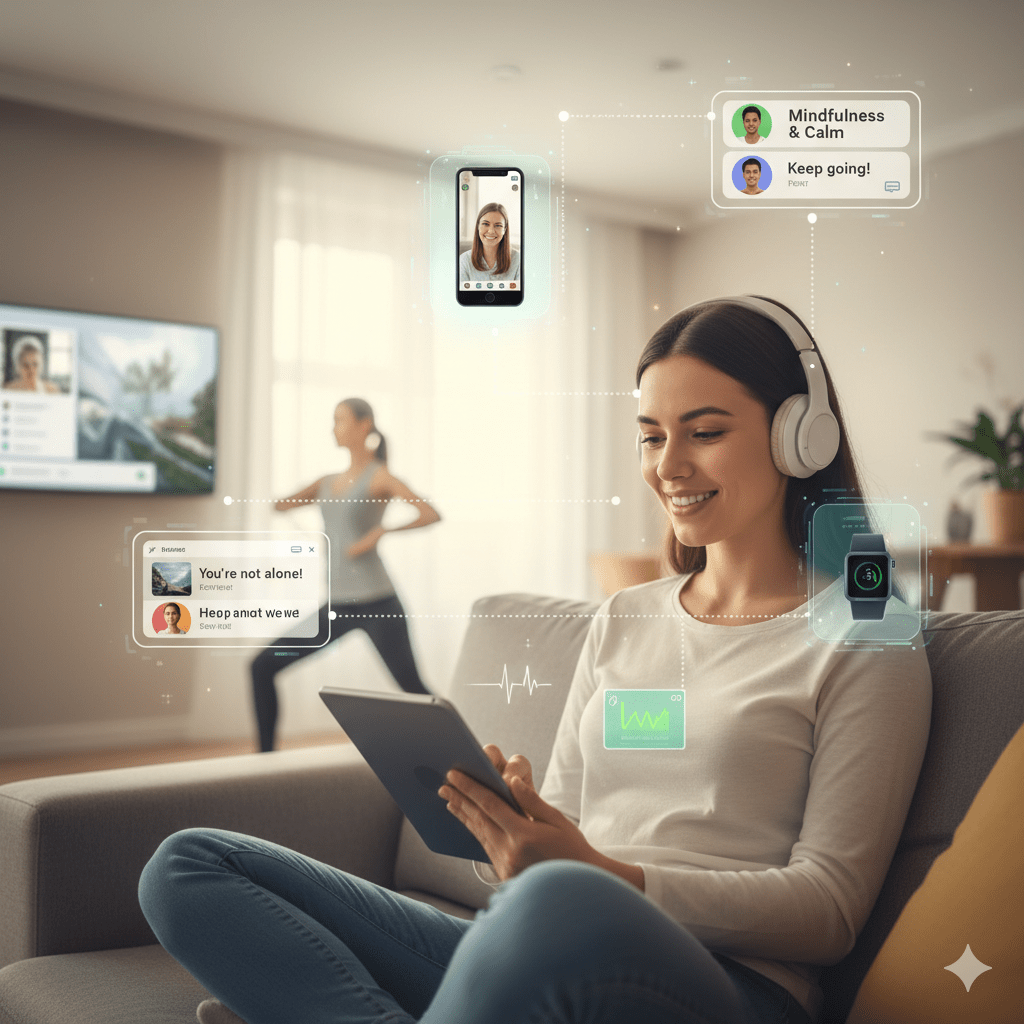
Managing and identifying symptoms and developing habits
The use of technology has become a crucial part of our everyday lives, being used to socialise, do homework, perform other educational tasks and entertain ourselves. Technology can better the symptoms through better focus and concentration; distraction-free learning; increased motivation, improved memory; and quick access to information (that would otherwise take longer via books). Technology is not a completely effective treatment for all aspects of disabilities and should be used in conjunction with other therapies such as medication or behavioural therapies. Furthermore, there is not a substitute for these treatments, but as a support system for them by improving focus, concentration & memory. Technology is used as a tool to socialise within the digital world of Instagram, Facebook, Pinterest, TikTok, etc. The effects of these platforms on a child with mental disabilities can be exacerbated, but with careful understanding and navigation, this can work in your favour. Note: technology is not a substitute for some of these treatments, but instead, a support system that can improve focus, concentration & memory by reducing distraction.
If we limit the amount of access to the internet and social media platforms during homework time, you will see that productivity and focus increase quite dramatically.

There are games now available that take you into a world a virtual world, whereby you can break away from the constraints that bind us to this plain existence. In other words, we are now able to make a digital avatar of ourselves and start to walk around in different places as if we were actually there.
In a very basic form, some games and Apps help the mental understanding of yourself, ie. The forest that rewards your progress, or another App called Calm, which helps children handle and manage their emotions. As for managing your day-to-day activities, use planners and digital planners and calendars to organise your life on a day-to-day basis.
Discover more from Mental understanding
Subscribe to get the latest posts sent to your email.

 Mental understanding